
Moth Net


String, Stick
Right-click a wild moth while you carry an empty Moth Jar to catch it.
Everything in Mothlight: crafting recipes, the 32 wild moths, your Lumen companion, riding, rearing and the journal.
A moth mod for Minecraft 1.21.11 / NeoForge 21.11.48. It adds glowing companion moths you raise from eggs, ride when they're grown, and a world full of real-world wild moths to find, catch, keep in jars and breed.
Timings: eggs, cocoons and growing up each take about an in-game day. Server owners can switch to fast
DEVtimings (about 2 minutes per stage) for testing or events with thetimingssetting (see For server owners).
Everything below comes straight from the mod: the recipes are its real recipe files and the pictures are in-game shots.
Every crafting recipe in Mothlight. Hover a slot to see the item. "Any planks" and "Any wool" take every kind.
String, Stick
Right-click a wild moth while you carry an empty Moth Jar to catch it.

 2
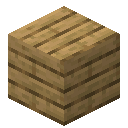
Any planks, Glass → 2
Holds a caught moth. Place it as a living lantern; it sheds wing scales. Two jars of a species breed.

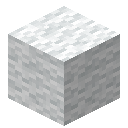
Stick, White Wool
A 3 x 2 sheet on posts. Light it at night and moths settle all over the cloth.


Shapeless: Book, String, Glow Berries
Logs every species you catch, with a picture, habitat, habits and a real-world fact.

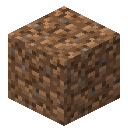
Glass, Any planks, Stick, Dirt
Scoop up a caterpillar and watch the whole metamorphosis, from leaf-munching to emerging.


Shapeless: Glass Bottle, Glow Berries, Honeycomb
Feed 3 to a fully grown, tamed Lumen and it grows into a rideable Great Lumen.


Any wool, String, Leather
Use on a Great Lumen to ride it. Shears take it off again.

Moth Silk, String, Leather
Use on a Great Lumen to ride it. Shears take it off again.


Shapeless: Glow Lichen, String, Amethyst Shard
Use on a block to release a new tamed Lumen with a random look.
3Shapeless: Moth Silk → 3
Moth Silk from hatched cocoons turns into string.

Moth Silk
Wear it. Press G to slide the goggles down for moth vision. Weave in 4 wing scales of one species for that moth's look.

Moth Silk
Wear it: it opens into wings in the air and glides like an elytra. Weave in 4 wing scales of one species for that moth's look.
Dropped when a cocoon hatches (1-2). Crafts into string or a Silk Saddle.

Shed by moths in jars (right-click the jar) or dropped by wild moths. Most craft into a dye.

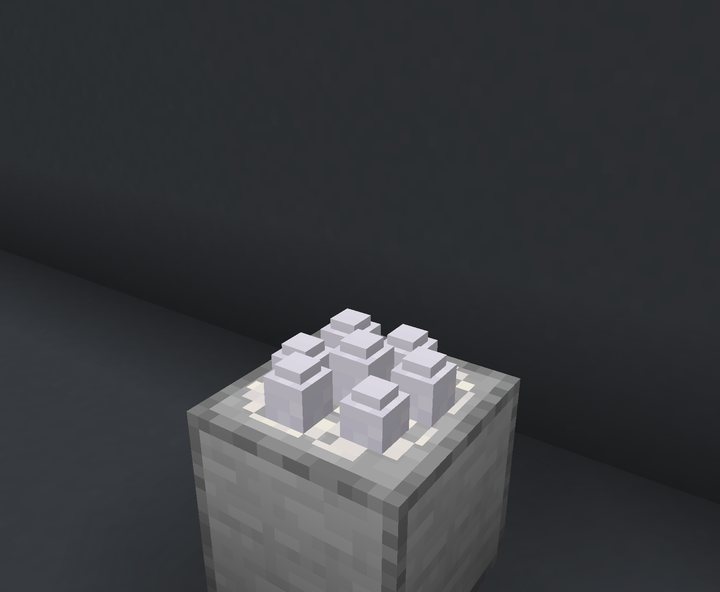
Laid by two tamed Lumens fed glow berries. Hatches into a Lumen caterpillar.

Spun by a full-grown caterpillar. A moth hatches from it.
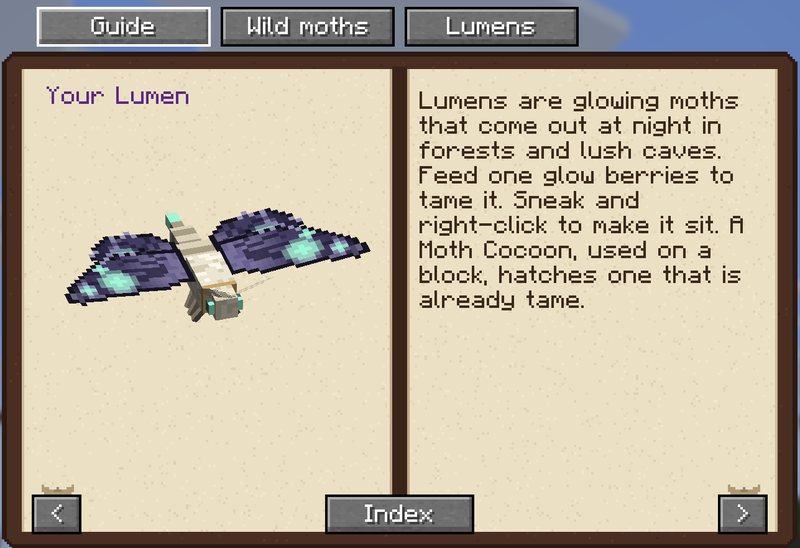
Lumen is a "Lanternwing" moth: dusky violet wings, a cream furry body, feathery antennae and a glowing lantern tail.
2 tamed adults + glow berries → Egg clutch → Caterpillar (4 sizes) → Cocoon → Hatchling → Adult
| Stage | What you'll see | How it moves on |
|---|---|---|
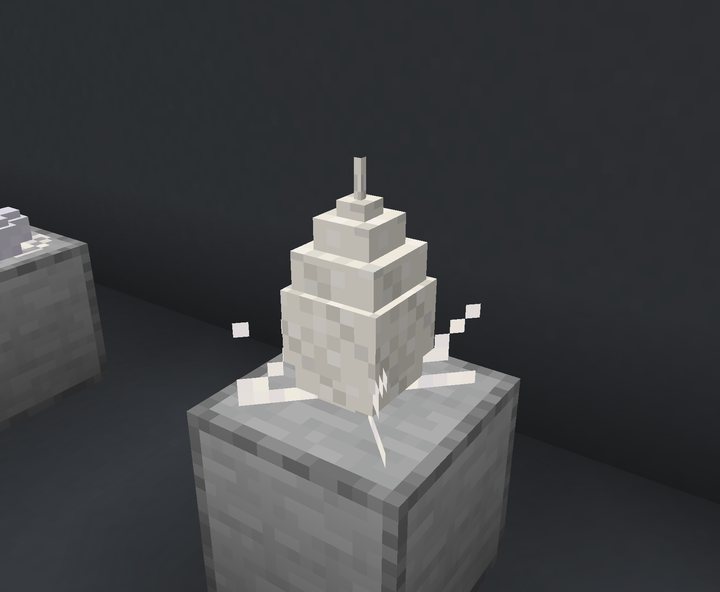
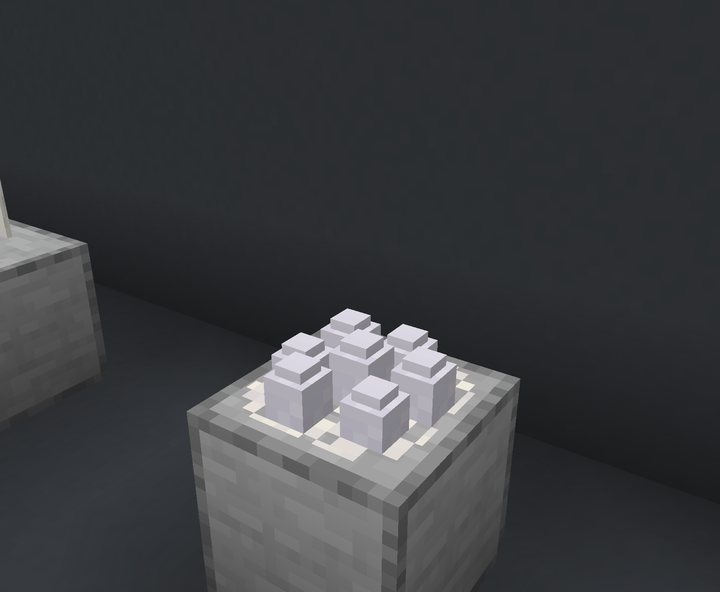
| Egg clutch | 7 pale eggs on a silk pad; the tips start to glow in the parents' colour, then the shells crack | about an in-game day |
| Caterpillar | segmented, with a cream face, a side stripe and glowing bumps; it crawls with a wave motion | grows a size every quarter day, or one size per glow berry; once full-size it spins its own cocoon |
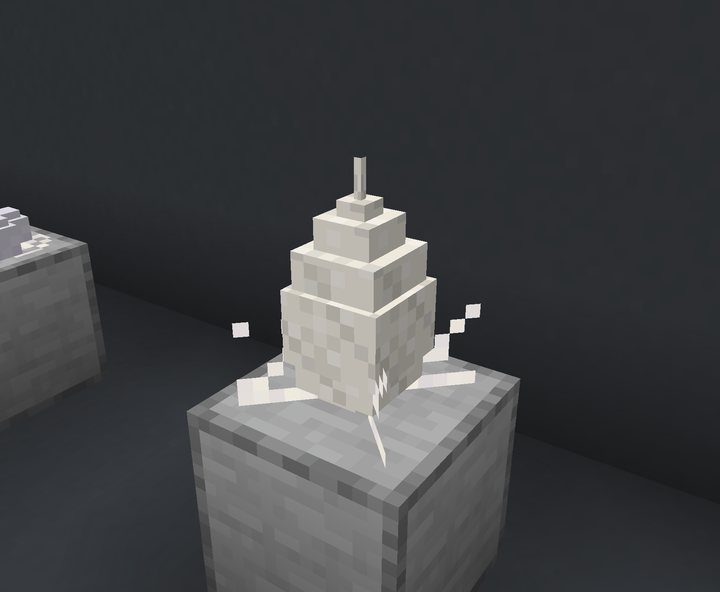
| Cocoon | a silk spindle tied down with web; the pupa glows through the silk, then the seam splits open | about an in-game day |
| Hatchling | comes out at half size and grows smoothly to full size | about an in-game day; it can only breed once fully grown |
Pattern and glow colour are inherited: each comes from one of the two parents, with a 1-in-20 chance of a random mutation.
| Control | Effect |
|---|---|
| Mouse | Steer |
| W | Fly where you look (look down to dive, up to climb) |
| S / A / D | Drift back / sideways |
| Space | Rise |
| Shift | Get off |
There's no fall damage while riding. If you stop giving it input for 5 seconds, it lands and perches. Shears take the saddle off.
No saddle? Glide. A Great Lumen without a saddle can still carry you, chicken-style. Right-click it with an empty hand and you grab its legs and hang underneath, both arms up holding it over your head. It can't climb on its own. You float down slowly, so it's made for jumping off cliffs.
mothlight:glide_updraft block tag.| Control | Effect |
|---|---|
| Mouse | Steer |
| W | Drift where you face |
| S / A / D | Brake / slide sideways |
| Left Alt (rebindable: "Glide: drop faster") | Sink faster without letting go |
| Shift | Let go (you'll fall from where you are) |
When your feet touch the ground it lets go by itself. There's no fall damage while hanging on. Put a saddle on it for full flight.
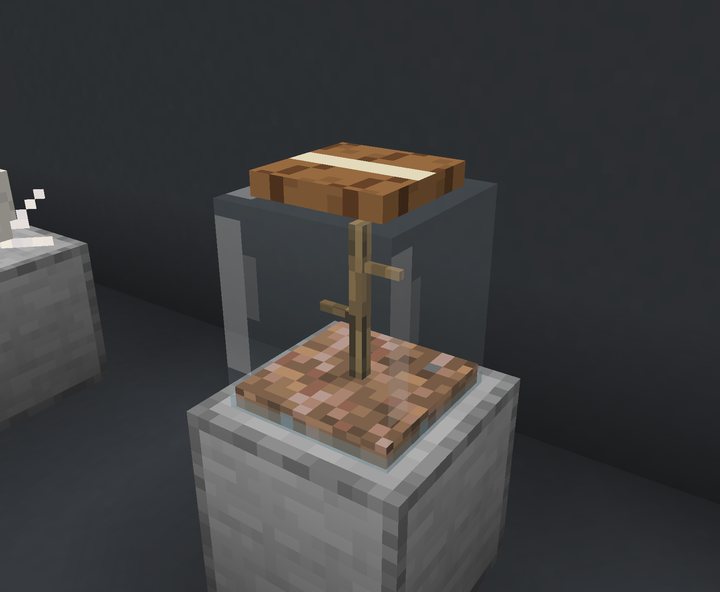
Craft a Rearing Jar (glass sides, a planks lid, a stick and dirt). Use the empty jar on any caterpillar, Lumen or wild species, to scoop it up, then place the jar. Inside are soil, a twig and a leaf.
Use the jar with an empty hand (no sneak) to read its status. Breaking the jar keeps whatever is inside. Sneak + use while it's still a caterpillar lets it crawl out; you can't open it mid-pupa.
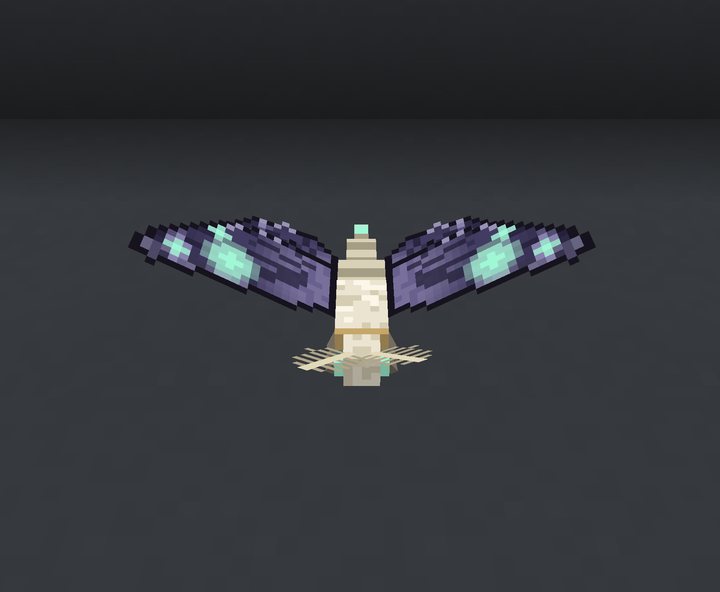



48 species live across the world, 44 inspired by real moths and 4 Mothlight originals: every forest type, jungles and bamboo, cherry groves, meadows, swamps and mangroves, snowy biomes and frozen peaks, deserts, badlands, savanna, beaches, mushroom fields, the Pale Garden, lush and dripstone caves, the Deep Dark, the Nether and the outer End islands. Each has its own look, active time, resting surface and breeding food.
Full list and field notes: the species list.
What's coming: SPECIES-ROADMAP.md, the plan for future species packs (micro-moths, giants, hawk-moths and more) and new ways to breed them.
A few to look for:
What they do
Every wild moth, with where it lives, when it flies, where it rests, what its pair needs to breed and what its wing scales make. Biome weights are relative spawn chances.
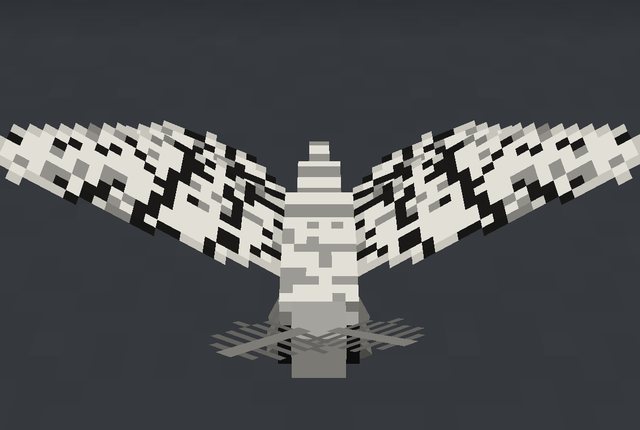

Rests flat on birch bark by day, almost invisible. Flies to lights at night.
 Oxeye Daisy
 →
 Light Gray Dye
Famous for turning dark in sooty cities during the Industrial Revolution.
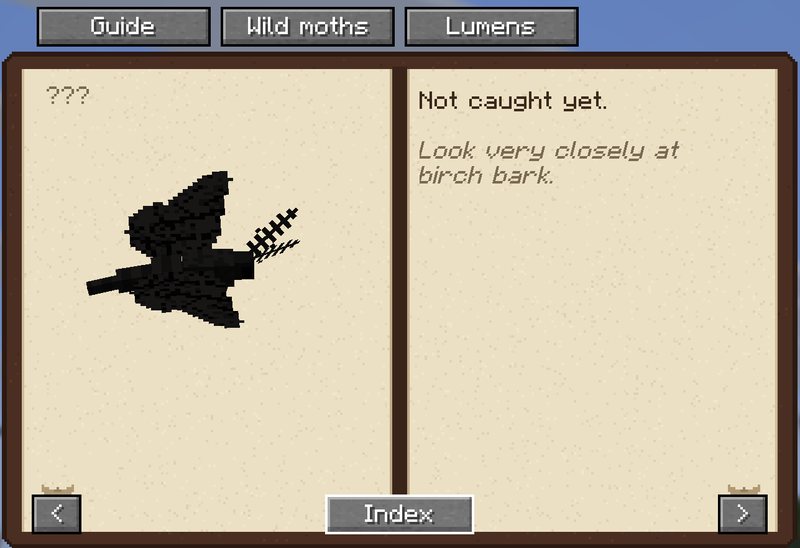
Journal hint: Look very closely at birch bark.
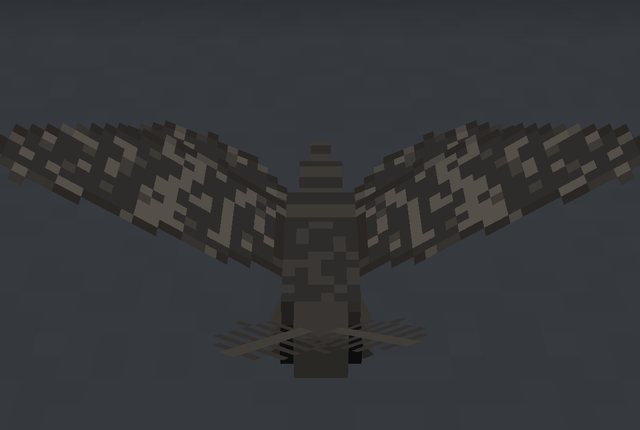

The soot-dark form of the Peppered Moth. Much more common near lit campfires.
Oxeye Daisy →
 Black Dye
"Industrial melanism": dark moths survived better on soot-blackened trees.
Journal hint: Where there is smoke, the pale moths turn dark.
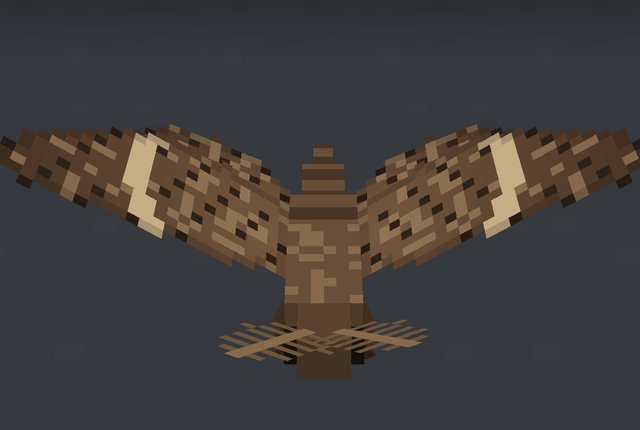

Mottled brown wings vanish against oak and spruce bark.
 Dandelion
 →
 Brown Dye
Its twig-like caterpillar holds perfectly still to pass as a branch.
Journal hint: Some of the bark in old forests has wings.


Rare, pale green, long tails. Rests in the leaves and is drawn to lights.
 Lily of the Valley
 →
 Lime Dye
Adults have no mouth and live about a week.
Journal hint: Something pale drifts through the darkest canopies.


Pink and butter-yellow, fuzzy. Loves lanterns.
 Pink Petals
 →
 Pink Dye
One of the smallest silk moths, about the size of a coin.
Journal hint: Pink on pink, among the blossoms.


Flies by day and hovers at flowers. Helps nearby crops grow.
 Allium
 →
 Orange Dye
Often mistaken for a hummingbird; its wings beat about 80 times a second.
Journal hint: A tiny "bird" that hovers at flowers in the sun.
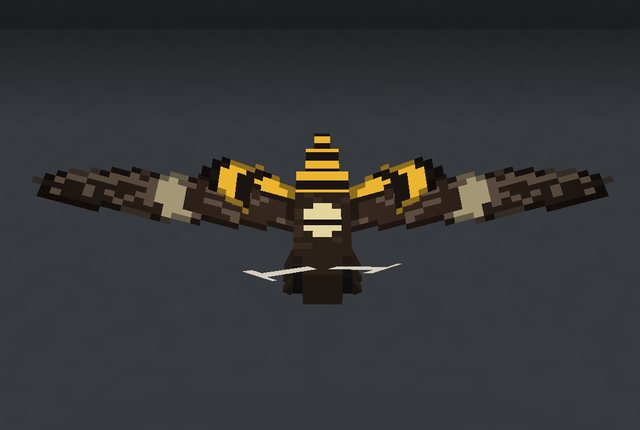

Skull mark on its back. Raids beehives at night for honey.
 Honey Bottle
 →
 Yellow Dye
It squeaks when disturbed, and bees mostly ignore it in the hive.
Journal hint: Watch the beehives after dark.
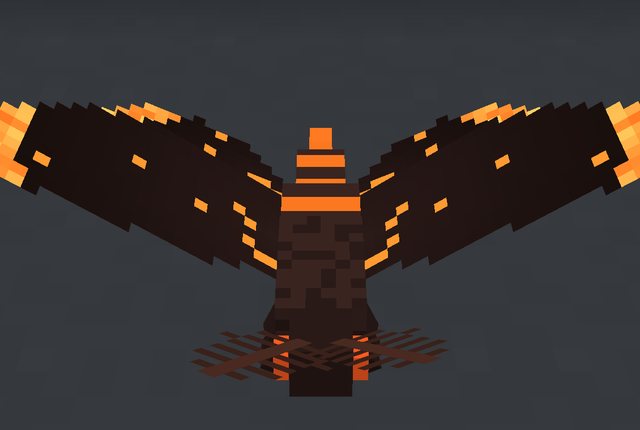

Glowing wing edges. Circles fire and lava.
 Crimson Fungus
 special uses only
A Mothlight original, inspired by real moths drawn to flame.
Journal hint: Something flutters around the lava lakes.
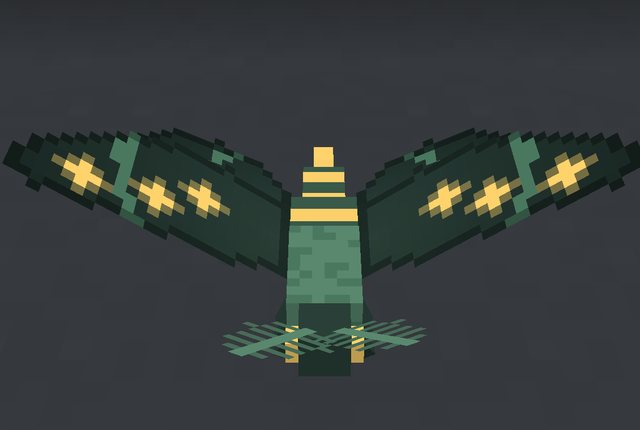

Glows like glow berries. Rests on moss and stone.
Glow Lichen special uses only
A Mothlight original; real glowworms light up New Zealand caves.
Journal hint: Some of the glow berries in lush caves fly.
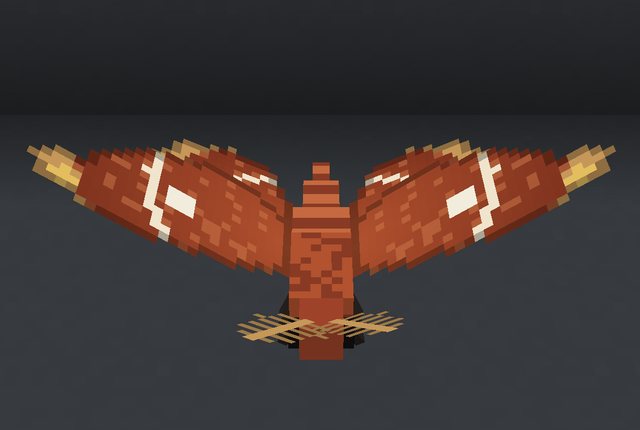

Enormous rust-red wings with clear "windows". The wing tips look like snake heads.
 Cocoa Beans
 →
 Red Dye
One of the largest moths in the world; its wings can span 25 cm.
Journal hint: Something huge rests in the deepest jungle.
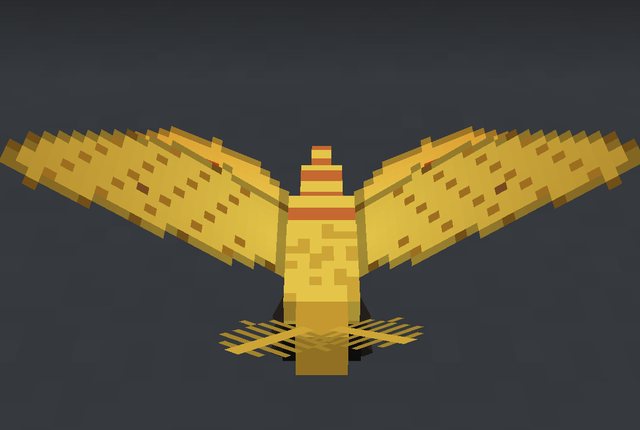

Plain yellow until it flashes a huge blue eyespot on each hindwing.
 Azure Bluet
 → Yellow Dye
The eyespots startle birds into thinking an owl is staring back.
Journal hint: Yellow wings hide a pair of staring eyes.
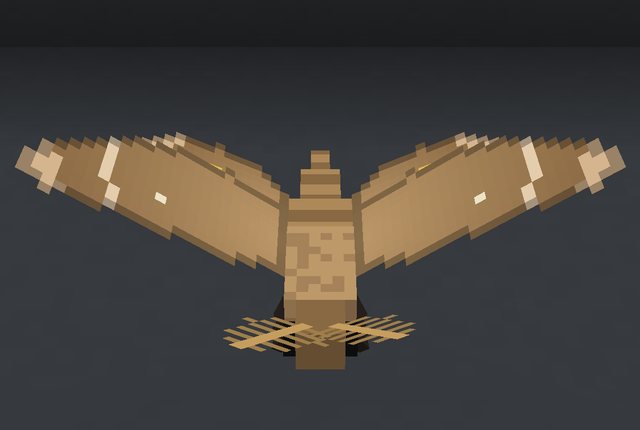

Big and tawny, with one giant eye on each hindwing.
 Oak Leaves
 → Brown Dye
Named after the one-eyed Cyclops of Greek myth.
Journal hint: A giant eye opens on the forest floor at night.
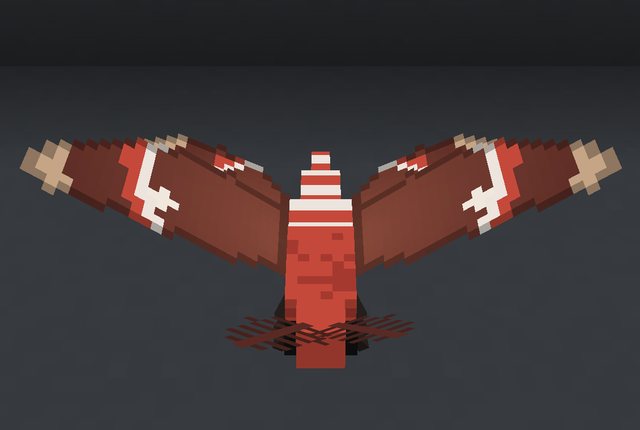

North America's largest native moth: brick red, with white crescent moons on each wing.
 Cherry Leaves
 → Red Dye
Its caterpillar grows from 2 mm to over 10 cm long.
Journal hint: White crescents on red wings, big as your hand.
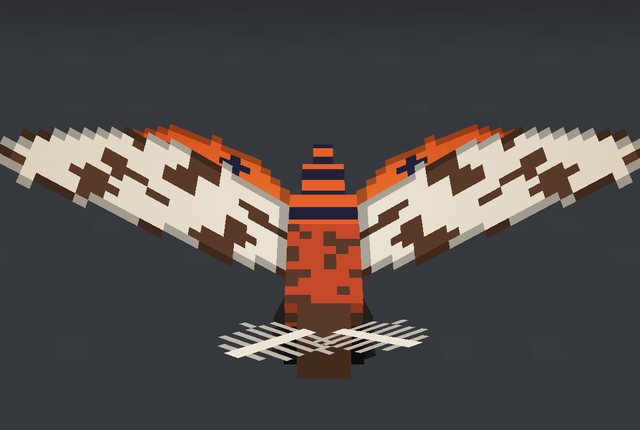

Cream wings with chocolate blotches hide bright orange hindwings with blue-black spots.
 Poppy
 → Orange Dye
Its fuzzy caterpillar is the classic "woolly bear".
Journal hint: Orange flashes from under a cream and brown cloak.
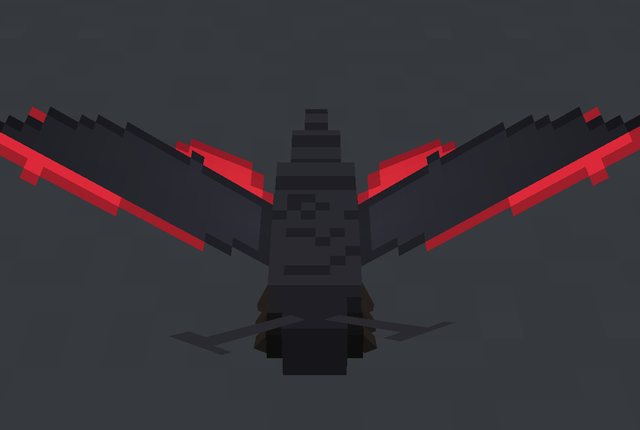

Charcoal and scarlet, flies in the day. Its colours warn: "I taste bad".
 Cornflower
 → Red Dye
Its yellow-and-black caterpillars store poison from ragwort.
Journal hint: Red and black wings flutter openly in the sunshine.


Glossy blue-black with six red spots. Sips nectar in full sun.
 Orange Tulip
 → Red Dye
Burnets can release cyanide to protect themselves.
Journal hint: Six red dots on dark blue, busy at the flowers.
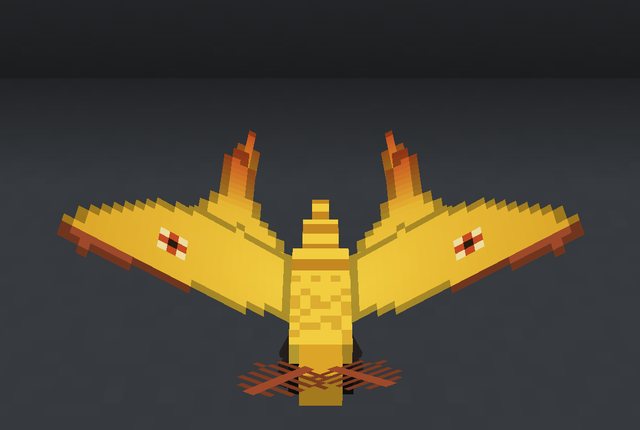

Golden wings with extraordinarily long red-tipped tails.
 Melon Slice
 → Yellow Dye
Its tails can be twice as long as its body; they confuse bat sonar.
Journal hint: A golden moth trails two long ribbons.


Olive and hot pink. Hovers at flowers at dusk like a little jet.
 Pink Tulip
 →
 Magenta Dye
Its caterpillar looks like an elephant trunk and puffs up fake eyes to scare birds.
Journal hint: A pink jet hums over the swamp flowers.


Grey like dead leaves; rests with its hindwings oddly raised.
 Birch Leaves
 →
 Gray Dye
It flashes a rusty patch on its hindwings when poked.
Journal hint: A dead leaf clinging to the birches... with a rusty secret.
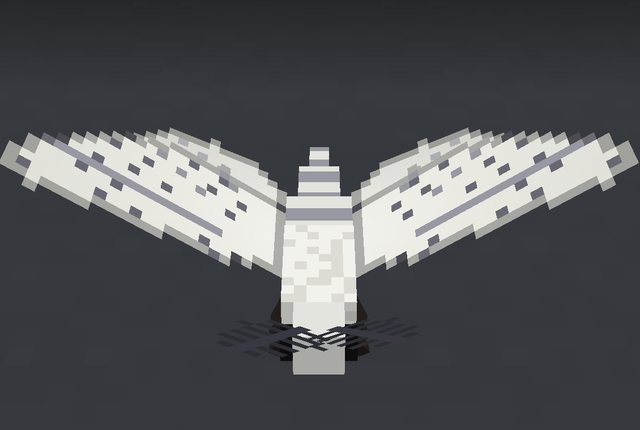

Fluffy and white like a kitten, with fine grey zigzags.
 White Tulip
 →
 White Dye
Its caterpillar can squirt formic acid and wave two whip-like tails.
Journal hint: A fluffy white "kitten" with wings, by the water.


Brilliant sulphur yellow with little brown flecks along the edge.
 Sunflower
 → Yellow Dye
"Brimstone" is an old name for sulphur.
Journal hint: A flake of sunlight flutters at night.
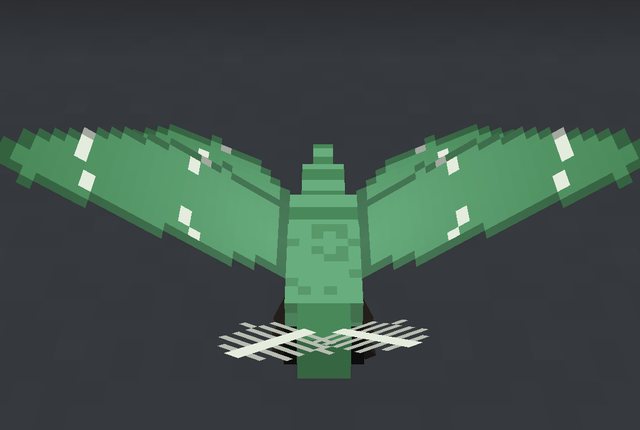

Leaf-green with fine white lines. Hides in the canopy.
 Fern
 →
 Green Dye
Its green fades to yellow-white as the moth gets older.
Journal hint: One of the leaves has white lines and flies away.
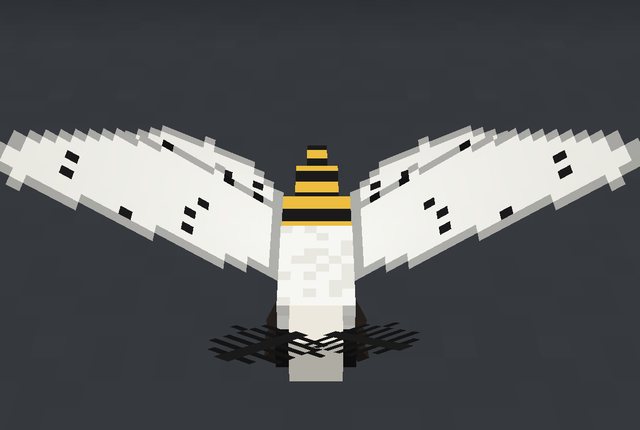

Fluffy snow-white with black dots, like ermine fur.
 Sweet Berries
 → White Dye
Named after the white winter fur of the stoat (ermine).
Journal hint: Black specks on white, in the snowy woods.
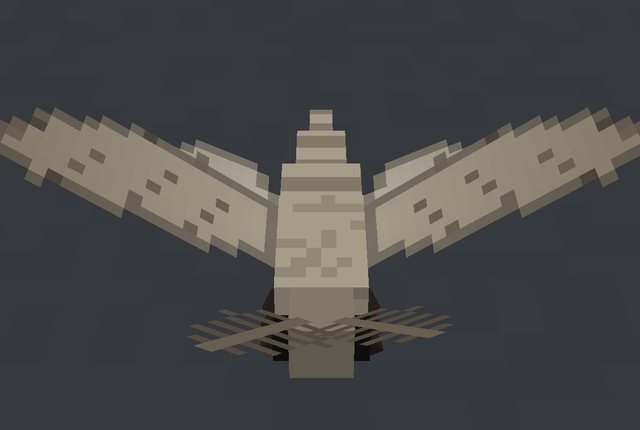

Drab grey-brown and tough: it flies on the coldest nights.
 Spruce Leaves
 → Gray Dye
The females are almost wingless and walk up tree trunks.
Journal hint: Something still flies on the coldest nights.
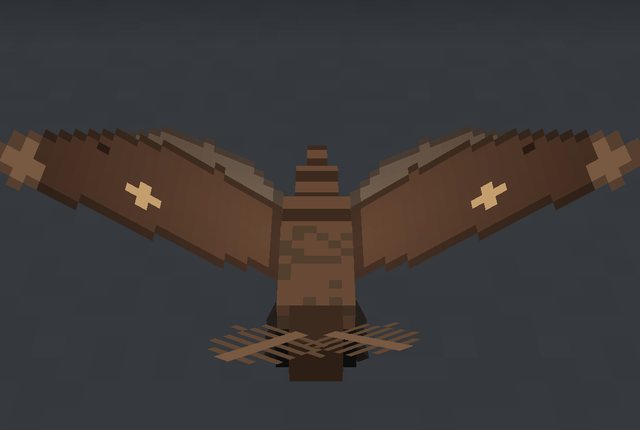

Dark brown; shelters by the thousand in rock crevices.
 Dead Bush
 → Brown Dye
Bogongs migrate up to 1,000 km and navigate by the stars.
Journal hint: Dark wings crowd into the cracks of the badlands.
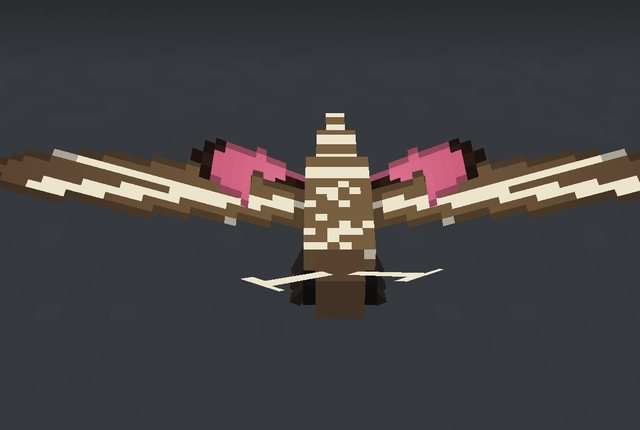

Brown wings striped with white, flashing pink. Hovers at desert flowers.
 Cactus Flower
 → Pink Dye
One of the few hawk-moths that feeds in broad daylight.
Journal hint: A pink-flashing hummer visits the cactus flowers.
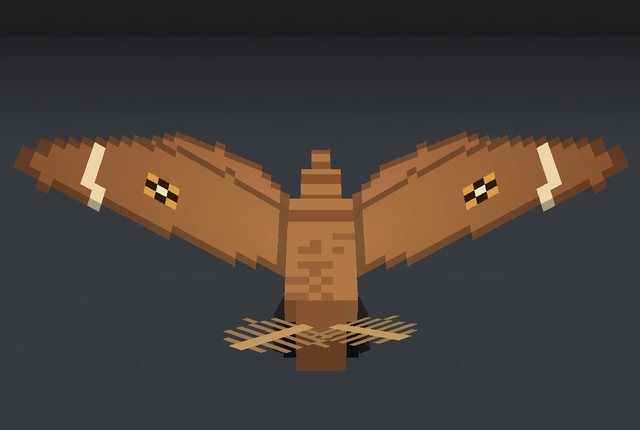

Tawny emperor moth with bold eyespots, among the acacias.
 Acacia Leaves
 → Orange Dye
Its caterpillar, the "mopane worm", is a popular snack in southern Africa.
Journal hint: Eyes stare from the acacias of the savanna.
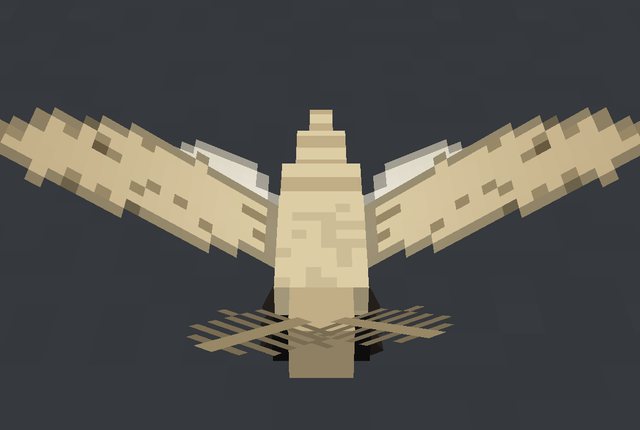

Sand-coloured and speckled, vanishes on the dunes.
 Sugar Cane
 → Light Gray Dye
Its caterpillars live buried in sand, feeding on dune plants.
Journal hint: The sand on the beach sometimes takes off.
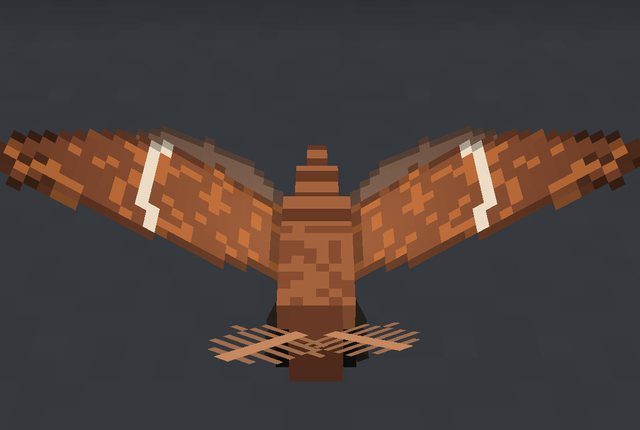

Ragged orange-flecked wings. Waits out the winter deep in caves.
 Apple
 → Orange Dye
Heralds hibernate as adults in caves, cellars and old mines.
Journal hint: Ragged orange wings wait among the stalactites.
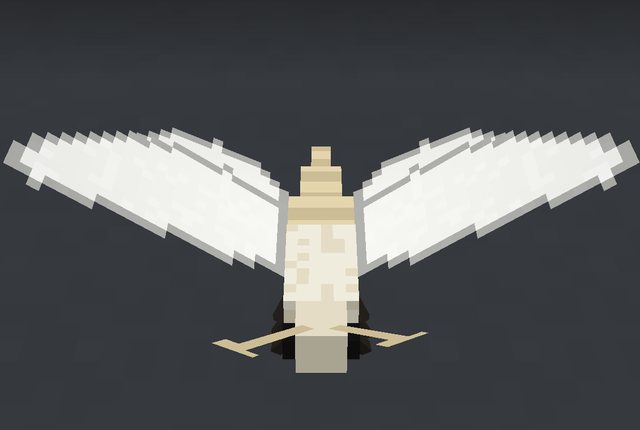

Shining white males hover in place over the grass at dusk, like little ghosts.
 Blue Orchid
 → White Dye
The hovering males release a scent that attracts females.
Journal hint: Ghosts bob above the swamp grass at dusk.
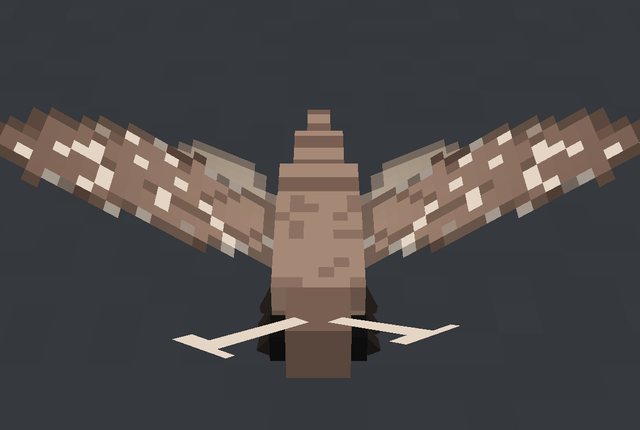

Small and dusty. Its caterpillars tunnel through bracket fungi.
 Red Mushroom
 → Light Gray Dye
Real fungus moths are among the oldest moth families alive.
Journal hint: Dust motes drift between the giant mushrooms.
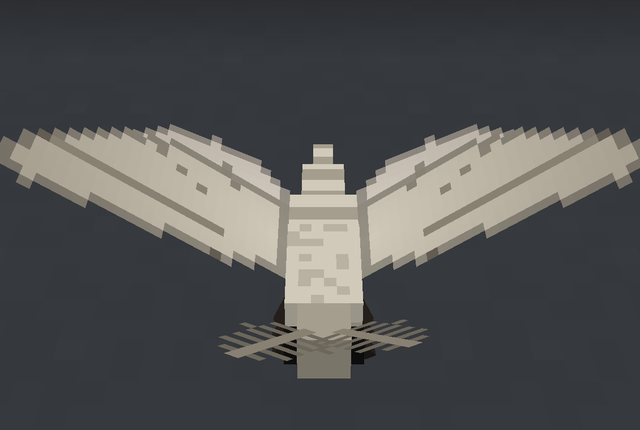

Rests rolled up like a dry pale twig among the pale oaks.
 Pale Hanging Moss
 → Light Gray Dye
Real prominents have a tuft on the wing that sticks up when resting.
Journal hint: A twig in the Pale Garden that is not a twig.

Black wings banded in green, blue, gold and fire red. Flies by day like a butterfly.
 Bamboo
 → Lime Dye
Its colours are not pigment: curved scales bend the light, like a soap bubble.
Journal hint: A rainbow flutters through the bamboo at noon.

Four bold eyespots, one on every wing. Males dash over the heather in sunshine.
Allium → Orange Dye
A male can smell a female from several kilometres away with his feathered antennae.
Journal hint: Four eyes race across the windy hills by day.

Pale green with every vein drawn in red-brown, like stained glass.
 Spruce Sapling
 → Green Dye
In the wild it lives only in a few mountain pine forests and is protected by law.
Journal hint: Stained glass hangs among the old pines.

Snow white with hollow blue-black rings, like a leopard in negative.
Dandelion → Black Dye
Under the white wings its body is shining blue with orange marks.
Journal hint: A leopard, but white, and it has wings.

Glossy green-black forewings spotted cream and gold; scarlet underneath.
 Red Tulip
 → Red Dye
Unlike most tiger moths, the adult can feed, sipping nectar in the sun.
Journal hint: Red flashes along the riverbank in daylight.

Army-camouflage green, swirled with pink and cream. A fast, strong flier.
 Jungle Leaves
 → Green Dye
It migrates thousands of kilometres and can turn up far from the tropics.
Journal hint: Camouflage paint that hovers at jungle flowers.

Huge, dark and bat-like, with a thin violet band across all four wings.
Sweet Berries → Black Dye
Folklore from Mexico to the Caribbean calls it a messenger; in some places, good luck with money.
Journal hint: A bat that is not a bat sleeps under the badlands overhangs.

The widest wings of any moth: pale cream scribbled with fine dark zigzags.
Glow Berries → White Dye
Its wingspan can pass 30 cm, wider than a dinner plate, yet its caterpillar was unknown for 300 years.
Journal hint: A pale sheet of paper drifts between the trees at night. It is alive.

Bark-grey and invisible on a trunk, until it flashes blood-red hindwings.
 Oak Sapling
 → Red Dye
The sudden red flash startles a bird just long enough for the moth to get away.
Journal hint: The bark blinked red.

White with inky spots and a soft orange band, like a tiny magpie.
Pink Petals → Yellow Dye
Its caterpillar wears the same white, black and orange warning colours as the adult.
Journal hint: Ink was spilled on the cherry blossom.

A perfect hornet costume: striped yellow and black with clear amber wings. Harmless.
Sunflower → Yellow Dye
It even flies with a hornet's jerky buzz, but it has no sting at all.
Journal hint: Not every hornet in the sunflowers can sting.

Yellow-green with long twisting tails, drifting between the acacias.
Acacia Leaves → Lime Dye
The adult has no mouth: it lives about a week on what it ate as a caterpillar.
Journal hint: A yellow kite with two tails hangs in the acacias.

Small, grey and very furry. Out in the brief cold sunshine.
 Snowball
 → Gray Dye
Its caterpillar freezes solid every winter and can take seven years or more to grow up.
Journal hint: Something small and furry is awake on the ice.

Cream wings sprinkled with crimson and black dots. Oddly at home among the crimson stems.
 Crimson Roots
 → Red Dye
In the overworld of real life it is a famous long-distance wanderer, blown across seas.
Journal hint: Pale confetti drifts through the crimson forest.

Silent, ink-blue wings with a teal pulse at the tail. It never flies near a shrieker.
 Sculk Vein
 →
 Cyan Dye
A Mothlight original, inspired by real moths that jam bat sonar with ultrasonic clicks.
Journal hint: A teal spark drifts where nothing dares make a sound.

Wings like a piece of the night sky, dusted with pale stars. Circles the chorus trees.
 Chorus Fruit
 →
 Purple Dye
A Mothlight original, inspired by moths that steer by the stars and the Milky Way.
Journal hint: A scrap of starry sky came loose near the chorus trees.
| Item | Recipe | Use |
|---|---|---|
| Moth Net | 4 string + 1 stick | Right-click a wild moth while you have an empty Moth Jar to catch it |
| Moth Jar | 5 glass + 1 planks → 2 | Place a filled jar as a living lantern: the moth flutters inside or rests on the glass. It gives off light, and Ember and Glimmerwing glow brighter |
| Moth Sheet | white wool + sticks | A 3-wide × 2-tall sheet between two posts. Place it from one item: click where the bottom-middle goes, and it needs open space. Breaking any part takes it all down. Put a lantern or torch near it at night, and moths settle all over the cloth, mostly on the lit front. New local visitors keep arriving, up to 10 |
| Moth Journal | book + string + glow berries | Logs every species you catch: one page each with habitat, habits and a real fact. Species you haven't found show "???" and a hint. Rewards at 8, 16 and 24 species, and a Moonlit Phial for all of them (see below) |
Jar controls
Journal rewards (also listed on the journal's Rewards page)
| Species recorded | Reward |
|---|---|
| 8 | Moth Sheet + 4 Moth Jars |
| 16 | 2 Rearing Jars + 8 Moth Silk |
| 24 | 3 Lantern Nectar + Silk Saddle |
| All | Moonlit Phial: use it on your tamed Lumen and its glow turns a silver-white that never appears at random. Its young can inherit it |
Each reward is paid once. If you passed a milestone before this update, you get it the next time you log in.


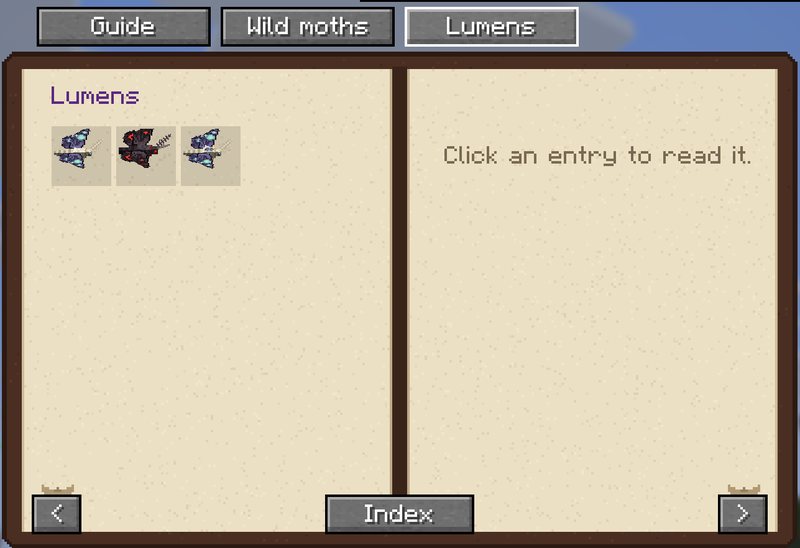
Craft it from a book, string and glow berries, then use it. It has three tabs: a Guide to the mod, every Wild moth (caught species get a full page, the rest a silhouette and a hint) and the Lumens. Use Index to jump to any page.
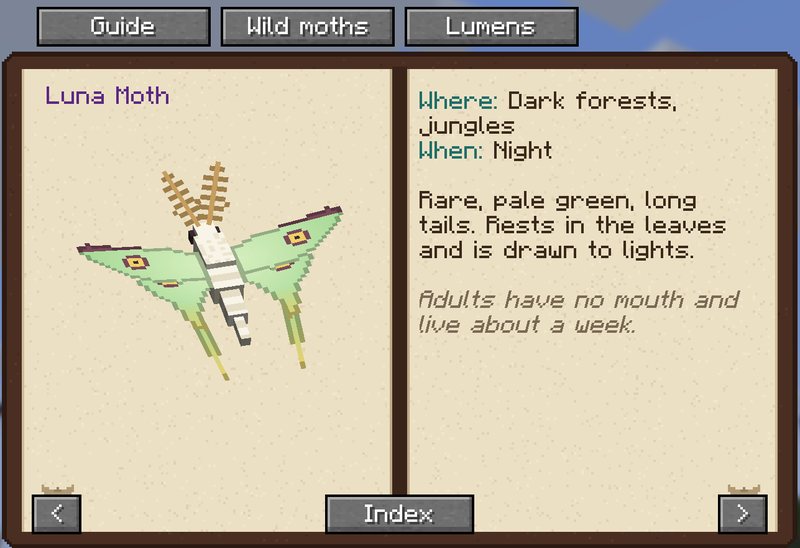
Every species has its own favourite food; see the Breeding food column in the species list. For example: Peppered → oxeye daisy, Luna → lily of the valley, Rosy Maple → pink petals, Atlas → cocoa beans.
In the wild. Wild moths also breed without you: a resting moth sometimes lays a clutch near its perch, and the caterpillars grow up, spin cocoons and emerge by themselves. They eat nothing and damage nothing. A wild caterpillar you find can be scooped into a Rearing Jar, or fed glow berries to adopt it. Wild-born caterpillars and moths that nobody adopted leave when no player is near. Server setting: wildLifeCycle.
You get Wing Scales two ways:
Most species' scales craft into a matching dye (see the Scales → column in the species list). Special uses:
| Scales | Make |
|---|---|
| Glimmerwing + ink sac | Glow ink sac |
| Brewing: Awkward Potion + Luna scales | Night Vision |
| Brewing: Awkward Potion + Ember scales | Fire Resistance |
| Brewing: Awkward Potion + Voidwing scales | Slow Falling |
| Brewing: Awkward Potion + Black Witch scales | Luck |
| Brewing: Awkward Potion + Echo Moth scales | Invisibility |
Peppered Moth Scales → Light Gray DyePeppered Moth (Dark Form) Scales → Black DyeOak Beauty Scales → Brown DyeLuna Moth Scales → Lime DyeRosy Maple Moth Scales → Pink DyeHummingbird Hawk-moth Scales → Orange DyeDeath's-head Hawkmoth Scales → Yellow Dye
 Glimmerwing Scales + Ink Sac → Glow Ink SacAtlas Moth Scales → Red DyeIo Moth Scales → Yellow DyePolyphemus Moth Scales → Brown DyeCecropia Moth Scales → Red DyeGarden Tiger Moth Scales → Orange DyeCinnabar Moth Scales → Red DyeSix-spot Burnet Scales → Red DyeComet Moth Scales → Yellow DyeElephant Hawk-moth Scales → Magenta DyePoplar Hawk-moth Scales → Gray DyePuss Moth Scales → White DyeBrimstone Moth Scales → Yellow DyeLarge Emerald Scales → Green DyeWhite Ermine Scales → White DyeWinter Moth Scales → Gray DyeBogong Moth Scales → Brown DyeWhite-lined Sphinx Scales → Pink DyeMopane Moth Scales → Orange DyeSand Dart Scales → Light Gray DyeHerald Moth Scales → Orange DyeGhost Moth Scales → White DyeFungus Moth Scales → Light Gray DyePale Prominent Scales → Light Gray DyeMadagascan Sunset Moth Scales → Lime DyeEmperor Moth Scales → Orange DyeSpanish Moon Moth Scales → Green DyeGiant Leopard Moth Scales → Black DyeScarlet Tiger Scales → Red DyeOleander Hawk-moth Scales → Green DyeBlack Witch Scales → Black DyeWhite Witch Scales → White DyeRed Underwing Scales → Red DyeMagpie Moth Scales → Yellow DyeHornet Moth Scales → Yellow DyeAfrican Moon Moth Scales → Lime DyeArctic Woolly Bear Moth Scales → Gray DyeCrimson Speckled Scales → Red DyeEcho Moth Scales → Cyan DyeVoidwing Scales → Purple Dye
Woven from Moth Silk. The shawl hangs like a ragged poncho and opens into wings whenever you are in the air; it glides like an elytra. The hood has antennae and two big eyes: press G to slide them down as goggles, which outline moths and caterpillars within 40 blocks (moth vision).
Put either one in a crafting grid with four wing scales of one species to give it that moth's wings and colours (twelve species so far, more in later updates). The Mothman look comes from a Vesper you have tamed: use the hood or shawl on it. They are for looks and gliding, not armour. Server setting: mothVision.
Every cocoon that hatches (Lumen or wild) leaves 1–2 Moth Silk behind. Craft 1 silk into 3 string, or make a Silk Saddle from 3 silk on top with string, leather and string below.
A Mothlight advancement tab:
Mothlight runs on the client and the server. Each world gets config/mothlight-server.toml after the first start (older NeoForge versions put it in <world>/serverconfig/). Changes apply without a restart.
| Setting | Default | What it does |
|---|---|---|
greatLumenFlight | true | Saddled Great Lumens can be flown (real flight, in survival too) |
gliding | true | Unsaddled Great Lumens can be hung from to glide down |
warningChime | true | Tamed Lumens chime at hostile mobs near their owner |
waypointDust | true | Tamed Lumens leave a glowing trail back to a marked home |
timings | PRODUCTION | PRODUCTION: about a day per stage. DEV: about 2 minutes per stage, for testing or events |
wildLumens | true | Wild Lumens visit players at night in their biomes |
wildLumenChance | 25 | Percent chance every 30 s per player that one turns up (at most two wild Lumens nearby) |
vesperOdds | 256 | 1 in this many new Lumens is a Vesper |
vesperOddsDeepDark | 4 | The same, for wild Lumens in the Deep Dark |
mothSheetMaxVisitors | 10 | Most moths on one lit Moth Sheet (0 = none) |
wildLifeCycle | true | Wild moths lay eggs where they rest; caterpillars grow up and emerge by themselves (they damage nothing) |
batsHuntMoths | true | Bats hunt moths at night |
With a permission mod such as LuckPerms, these permission nodes let you allow or deny things per player or group:
| Node | Default |
|---|---|
mothlight.ride.fly | the greatLumenFlight setting |
mothlight.ride.glide | the gliding setting |
mothlight.command.admin | operators only (/mothlight demo, /mothlight journal ...) |
All checks run on the server.
Fastest way to review everything: stand on open ground and run /mothlight demo. It clears a 21×19 area to your north and builds four rows:
It also sets the time to dusk and gives you a kit: net, jars, journal, sheet, lanterns, nectar, saddle, glow berries, lily of the valley, scales and a brewing setup.
/summon mothlight:lumen ~ ~1 ~ {Pattern:2,Glow:1}                     # Pattern 0-4, Glow 0-3
/summon mothlight:lumen ~ ~1 ~ {Variant:1}                            # Vesper
/summon mothlight:lumen ~ ~1 ~ {Great:1b,Saddled:1b}                  # mount (tame it with a glow berry first)
/summon mothlight:wild_moth ~ ~1 ~ {Species:"luna"}                   # any species id from the tables
/setblock ~ ~ ~ mothlight:moth_jar[light=7]{Species:"rosy_maple"}     # filled jar
/give @s mothlight:wing_scales[mothlight:moth_species="luna"] 3
/mothlight journal discover all        # or one species id
/mothlight journal reset
Species ids are listed in the species list (for example luna, atlas, garden_tiger, white_lined_sphinx).